How I Turned My Hobby Into a Smart Wealth Shelter
What if the things you love doing could also protect your money? I never thought my weekend passion would become a shield against financial loss—until I saw how hobbies, when treated right, can preserve value over time. This isn’t about getting rich quick. It’s about making what you already enjoy work harder for your future. Let me walk you through how I redefined my spending, one meaningful purchase at a time. What began as a simple escape from daily routines slowly transformed into a thoughtful strategy for safeguarding wealth. The realization didn’t come overnight. It emerged from years of buying, using, holding, and sometimes selling the tools of my passions. I discovered that not all spending is equal. Some purchases vanish into thin air, while others quietly appreciate or at least retain worth. This shift in perspective changed how I view ownership, investment, and long-term financial planning. And it might do the same for you.
The Moment I Realized My Spending Wasn’t Just Consumption
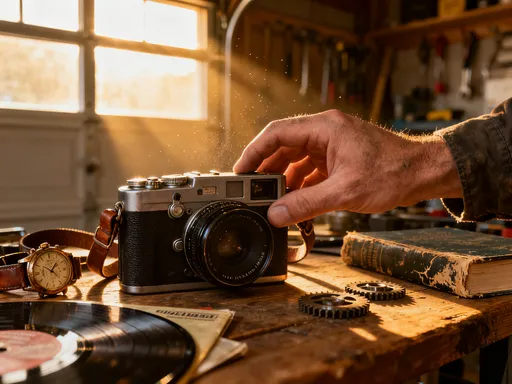
For most of my adult life, I treated hobby spending as a necessary indulgence—a cost with no return. Whether it was upgrading my camera lens, buying a new set of woodworking chisels, or attending a specialty workshop, I accepted these as expenses that simply vanished once paid. There was comfort in the act, yes, but no expectation of financial payoff. Then, something changed. I found myself researching the resale value of a vintage film camera I had used for years. To my surprise, its market price had nearly doubled over a decade, even though I had used it regularly. Meanwhile, the money I had kept in a low-interest savings account had lost noticeable purchasing power due to inflation. That contrast was jarring. It forced me to ask a question I had never considered: could a hobby be more than a pastime? Could it, in fact, serve as a quiet but effective form of wealth preservation?
This wasn’t about speculation or flipping items for profit. It was about redefining what counts as an asset. An asset, traditionally, is something that holds or increases in value over time—real estate, stocks, precious metals. But what about a well-maintained mechanical watch, a rare first pressing of a classic album, or a handcrafted violin? These are not financial instruments in the conventional sense, yet they share key traits with traditional assets: scarcity, durability, and demand. The shift in mindset came when I stopped seeing these items as mere tools of enjoyment and began viewing them as potential stores of value. This doesn’t mean every hobby purchase becomes an investment. Far from it. But when approached with intention, certain hobbies can blur the line between personal fulfillment and financial prudence.
The psychological barrier to this idea is real. We’re conditioned to see discretionary spending as loss. Credit card statements don’t list hobbies under “net worth.” Budgeting apps categorize them as “entertainment” or “miscellaneous,” often flagged for reduction. But this framework ignores the emotional and cultural capital embedded in passionate pursuits. When you love something deeply, you care for it, maintain it, and preserve its condition—actions that directly support value retention. A neglected power tool loses worth quickly; a cherished heirloom-quality camera, meticulously stored and serviced, may gain it. The key is recognizing that emotional investment can align with financial resilience, especially when the object of affection also has enduring appeal in the broader market.
Why Hobbies Can Be Unexpected Tools for Asset Preservation
Not all wealth preservation happens on Wall Street. Some of the most stable value retention occurs in places few financial advisors ever visit: basements filled with classic bicycles, closets lined with vintage clothing, shelves stacked with first-edition books. These are not outliers. They represent a quiet but growing trend—people preserving wealth through items tied to their passions. Consider the resurgence in demand for analog audio equipment. Turntables, once considered obsolete, now command premium prices, especially models from the 1970s and 1980s made by reputable manufacturers. High-end cassette decks and reel-to-reel machines, once destined for landfills, now sell for thousands of dollars to audiophiles and collectors. This isn’t nostalgia alone. It’s a recognition of craftsmanship, materials, and sound quality that modern mass-produced electronics often lack.
Another compelling example is the market for mechanical watches. Unlike digital timepieces or smartwatches, which depreciate rapidly, certain mechanical models from Swiss and Japanese makers have demonstrated consistent long-term value. Brands like Seiko, Omega, and Rolex have timepieces that not only hold their worth but often appreciate over decades. A well-documented, low-mileage Rolex Submariner from the 1980s can now sell for many times its original price. The reasons are clear: limited production runs, high build quality, and a global community of enthusiasts who verify authenticity and track provenance. These factors create a secondary market that functions much like fine art or rare coins—driven by scarcity and sustained interest rather than corporate earnings or interest rates.
Similarly, vintage musical instruments have shown remarkable staying power. A Martin acoustic guitar from the 1950s or a Conn saxophone from the 1940s can appreciate significantly, especially if maintained in original condition. Even high-end bicycles, particularly limited-edition models from brands like Colnago or Trek’s vintage racing series, have developed loyal followings and strong resale markets. What unites these items is not just quality, but cultural continuity. They are objects that span generations, valued not only for function but for heritage. During economic downturns, when stock markets fluctuate and currency values waver, these passion-driven assets often remain stable because their demand is insulated from broader financial cycles. People may cut back on luxury vacations or dining out, but dedicated collectors continue to seek and preserve the items they love.
The Hidden Risks in Turning Passion Into Value Storage
Just because an item has the potential to hold value doesn’t mean it will—or that it’s a safe place to park your money. I learned this the hard way. A few years ago, I bought a limited-run digital synthesizer that was heavily promoted in online forums as a future collector’s item. The marketing was persuasive: only 500 units made, advanced features, designed by a legendary engineer. I paid a premium, believing I was securing both a creative tool and a long-term asset. Within two years, a newer model was released, and interest in the original dropped sharply. Resale value plummeted by over 60%. I had fallen into the trap of assuming scarcity alone guarantees value. It doesn’t. Scarcity must be paired with sustained demand, cultural relevance, and durability.
One of the biggest risks in hobby-based wealth preservation is emotional overvaluation. When you love something, it’s easy to believe others will too—or that its importance will last forever. But markets shift. Tastes change. Technologies evolve. A gadget that feels revolutionary today may be obsolete tomorrow. This is especially true in digital and tech-heavy hobbies, where firmware updates, compatibility issues, and rapid innovation can quickly devalue even high-end gear. Physical objects made with quality materials—wood, metal, glass—tend to age more gracefully than those dependent on software or proprietary components. A brass compass from the 1920s still works today; a cutting-edge GPS device from 2005 likely does not.
Other risks include storage and maintenance costs. A vintage car may appreciate, but it requires climate-controlled storage, regular servicing, and insurance—expenses that can erode any gains. Authentication is another challenge. Without proper documentation, certificates, or provenance, even rare items can be dismissed as replicas or fakes. And then there’s liquidity—the ability to sell when you need to. Unlike stocks or bonds, which can be converted to cash in minutes, selling a collectible may take weeks or months, and success depends on finding the right buyer at the right time. These factors don’t make hobby-based asset preservation impossible, but they do demand careful consideration. Diligence, research, and emotional detachment are essential, even when buying something you truly love.
Choosing the Right Hobbies That Double as Value Keepers
Not all hobbies are equally suited for long-term value retention. The key is identifying those that combine personal enjoyment with inherent durability and market stability. Broadly, hobbies fall into two categories: tangible and experiential. Tangible hobbies involve physical objects—cameras, tools, instruments, books—that can be owned, maintained, and potentially resold. Experiential hobbies, like hiking, yoga, or travel, create memories but leave behind few physical assets. While both are valuable for well-being, only the former offers a realistic path to wealth preservation.
Within tangible hobbies, another distinction matters: mechanical versus digital. Mechanical items—watches, typewriters, hand tools—rely on physical components that can often be repaired, restored, or replaced. Their functionality is independent of software updates or digital ecosystems. Digital items, on the other hand, are more vulnerable to obsolescence. A high-end digital camera from ten years ago may still take excellent photos, but its battery life, connectivity, and software support may be limited. Its resale value is likely to be a fraction of its original price. Mechanical watches, by contrast, can last generations with proper care. A 1950s Omega Seamaster, restored by a skilled watchmaker, can function as well as it did decades ago—and sell for far more.
Another factor is craftsmanship and materials. Items made with solid wood, brass, stainless steel, or high-grade leather tend to age well and command higher resale value. Mass-produced plastic or composite materials, even in high-end models, often degrade over time. A handcrafted leather-bound journal will outlast a plastic notebook; a solid oak bookshelf will outlast a particleboard one. The same principle applies to tools, furniture, and musical instruments. The best hobbies for value preservation are those rooted in quality craftsmanship, timeless design, and enduring utility. Examples include analog photography, watchmaking, book collecting, woodworking, and vintage audio restoration. These pursuits not only bring joy but also align with markets that reward care, authenticity, and rarity.
How to Build a Hobby Portfolio That Protects Your Wealth
Once I accepted that my hobby could serve a dual purpose, I began to approach it more systematically—like a portfolio. Just as a financial advisor would recommend diversification, I started spreading my purchases across different categories within my area of interest. Instead of buying multiple lenses for one camera system, I invested in a mix of vintage cameras, film stocks, and accessories from different eras and manufacturers. This reduced my exposure to any single market shift. If demand for one brand declined, others might hold steady or rise. I also began paying attention to timing. Just like in the stock market, buying during periods of low demand—such as after a new model launch—can yield better long-term value. Waiting a year after a new film camera release, for example, often means acquiring it at a discount before its resale value begins to climb.
Maintenance became a priority. I invested in proper storage—acid-free sleeves for negatives, humidity-controlled cases for lenses, padded bags for cameras. I kept receipts, manuals, and original packaging, all of which contribute to provenance and resale appeal. I joined online communities and forums where collectors shared insights on market trends, authentication tips, and restoration techniques. These networks not only deepened my knowledge but also helped me spot emerging opportunities and avoid common pitfalls. Over time, I developed a simple tracking system: a spreadsheet that logged each purchase, its condition, market value estimates, and maintenance history. This wasn’t about chasing profits, but about building quiet resilience—a collection of items that, together, formed a personal wealth buffer.
The philosophy here isn’t speculation. It’s stewardship. You’re not trying to beat the market; you’re trying to preserve what you love in a way that also honors its worth. This approach removes the pressure to sell at peak prices or time the market perfectly. Instead, it focuses on long-term care, thoughtful acquisition, and incremental value stacking. Each well-chosen item becomes a small anchor against inflation and economic uncertainty. And because you use and enjoy these items, the process feels natural, not like a financial chore. The result is a hobby that pays you back—not in monthly dividends, but in enduring value and personal satisfaction.
When to Hold, When to Sell: Managing Emotional vs. Financial Value
One of the hardest lessons in this journey was learning when to let go. I once owned a first-edition Nikon 50mm f/1.4 lens, a piece of gear I had used to shoot some of my most meaningful personal photographs. It wasn’t just a tool; it was tied to memories of family trips, quiet mornings, and creative breakthroughs. When I noticed its market value rising, I hesitated to sell. I told myself I still used it, even though newer lenses performed better. Months passed. Then, a new restoration technique emerged that significantly increased demand for original-condition lenses. I sold it shortly after—too late to catch the peak. I made a decent return, but not the one I could have had with better timing.
This experience taught me that emotional attachment can cloud financial judgment. Holding onto something because of its memories is understandable, even noble. But if the goal is wealth preservation, sentiment must be balanced with rationality. I now use a simple set of signals to guide decisions. If maintenance costs are rising—if a vintage stereo system needs frequent repairs or a camera requires increasingly rare parts—it may be time to consider selling. If a newer, superior model has emerged and demand for the older version is clearly declining, that’s another warning sign. Conversely, if an item’s condition is pristine, documentation is complete, and market interest is growing, holding may be the better choice.
The goal isn’t to maximize profit at all costs. It’s to avoid the slow erosion of value that comes from indecision. Inflation, wear and tear, and shifting trends can quietly diminish an item’s worth. Selling at the right time isn’t a betrayal of your passion—it’s a responsible act of stewardship. It allows you to reinvest in other items that may serve the same dual purpose. And sometimes, letting go creates space—both physically and emotionally—for new chapters in your hobby journey. The balance between holding and selling isn’t fixed. It evolves with your needs, the market, and your understanding of what truly matters.
Beyond Objects: How Skills and Knowledge Become Lasting Assets
After years of collecting, maintaining, and trading hobby items, I’ve come to believe that the most valuable asset I’ve gained isn’t anything I can sell. It’s the knowledge I’ve built—the ability to spot a counterfeit watch, restore a damaged film camera, or identify a rare book edition. These skills don’t depreciate. They compound. Unlike physical items, which can break, fade, or fall out of fashion, expertise grows stronger with time and experience. And it’s immune to inflation. No economic shift can devalue the ability to discern quality, understand market nuances, or repair what others might discard.
This intangible wealth extends beyond individual skills. It includes networks—relationships with other collectors, restorers, and experts. These connections provide access to opportunities, information, and trust-based transactions that aren’t available on open marketplaces. They form a kind of social capital that enhances both enjoyment and financial resilience. When you know who to call for a rare part or who can authenticate a questionable item, you gain an edge that no amount of money can immediately buy.
In the end, turning a hobby into a wealth shelter isn’t just about what you own. It’s about who you become in the process. The discipline of research, the patience of restoration, the wisdom of timing—these shape a mindset that benefits all areas of financial life. Budgeting feels different when you see spending as potential investment. Saving feels more purposeful when you know it can lead to meaningful acquisitions. And planning for the future becomes richer when it includes not just numbers on a screen, but objects and skills that carry personal and lasting value. This isn’t a shortcut to wealth. It’s a slower, quieter path—one where passion and prudence walk hand in hand, building something that lasts.