How I Regained My Balance – A Real Talk Guide to Everyday Stability
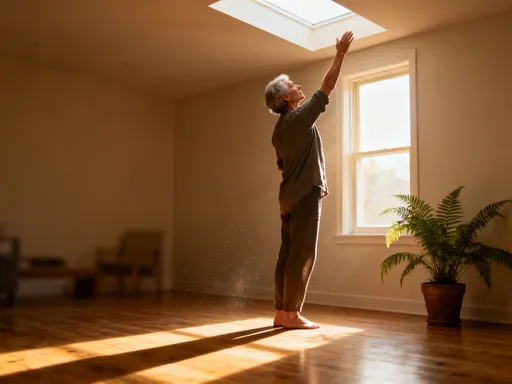
Balance isn’t just for athletes—it’s essential for walking, standing, and staying independent, especially as we age. I never thought much about it until a small fall made me realize how fragile stability can be. This guide shares science-backed, practical steps I used to improve my balance, not in a gym or clinic, but in real life. From simple daily habits to smart movement tweaks, these methods are doable, sustainable, and surprisingly effective. Let’s walk through this together—step by steady step.
Why Balance Matters More Than You Think
Balancing on one foot may seem like a minor skill, something children practice during games or dancers perfect over years. But in truth, balance is a fundamental bodily function that quietly supports nearly every movement we make. It allows us to stand without swaying, walk without stumbling, and rise from a chair without grabbing the nearest surface for support. For many, it’s only when that stability starts to falter that its true value becomes clear. Poor balance increases the risk of slips and falls, which remain a leading cause of injury among adults over 50. According to public health data, millions of emergency room visits each year are due to fall-related incidents, many of which could have been prevented with better stability.
The impact of diminished balance goes beyond physical harm. It affects confidence, independence, and overall quality of life. Imagine hesitating before stepping off a curb, gripping the handrail more tightly on the stairs, or avoiding social outings because you’re afraid of losing your footing. These small limitations can accumulate into a larger sense of restriction. What begins as mild unsteadiness can lead to reduced activity, which in turn weakens muscles and further erodes balance—a cycle that’s easy to fall into but entirely possible to reverse. The good news is that balance is not a fixed trait. Unlike height or eye color, it’s a dynamic ability that can be strengthened, refined, and restored at any stage of life.
Everyday scenarios reveal how deeply balance is woven into our routines. Walking across a carpeted floor might feel effortless, but it requires constant micro-adjustments from your body. Standing up from a low sofa demands coordination between your legs, core, and inner ear. Even turning your head while walking relies on precise communication between your vision and movement systems. When any part of this network falters, the entire process becomes less reliable. Recognizing these moments helps build awareness—the first step toward improvement. By understanding that balance is both fragile and trainable, we can begin to treat it with the attention it deserves.
The Hidden Systems Behind Your Stability
Beneath the surface of every steady step lies a complex network of systems working in harmony. Most people assume balance is purely about strong legs or good posture, but the reality is far more intricate. Three primary systems—the vestibular system in the inner ear, the visual system, and proprioception—constantly communicate to keep you upright. The vestibular system detects motion and head position, helping your brain understand whether you're moving forward, tilting, or standing still. It’s why you can feel dizzy after spinning or experience vertigo when this system is disrupted. This inner mechanism is so sensitive that even minor changes, like fluid buildup or age-related shifts, can affect its performance.
Meanwhile, your eyes provide critical feedback about your surroundings. They help you judge distances, detect obstacles, and maintain orientation. When you walk down a hallway, your brain uses visual cues to anticipate steps, doorways, and changes in flooring. But in low light or cluttered spaces, this input becomes less reliable, placing greater demand on the other systems. That’s why navigating a dimly lit room at night can feel so unsteady—your brain is missing a key piece of information. Vision also works in tandem with head movement; when you turn your head while walking, your eyes stabilize your view, preventing the world from blurring. Any delay or misalignment in this process can contribute to feelings of instability.
The third pillar of balance is proprioception—the body’s ability to sense where its parts are in space without looking. Often called the “sixth sense,” it relies on receptors in your muscles, joints, and tendons to send continuous updates to your brain. When you close your eyes and touch your nose with your finger, you’re relying on proprioception. This system is especially vital for foot and ankle control, where subtle shifts in weight distribution make all the difference. However, prolonged sitting, lack of movement, or past injuries can dull these signals over time. Wearing thick-soled shoes constantly may also reduce sensory feedback from the ground, weakening this connection.
What makes balance remarkable is how seamlessly these three systems integrate. Your brain processes input from your inner ear, eyes, and body sensors in real time, making automatic adjustments to keep you centered. When one system underperforms, the others typically compensate—up to a point. But with age, inactivity, or health changes, this backup system can become overwhelmed. The result is a growing sense of unsteadiness that may seem mysterious but often has clear, addressable causes. The encouraging truth is that each of these systems can be trained. Just as you can strengthen a muscle, you can re-sensitize your balance network through deliberate, consistent practice.
My Turning Point: When I Knew I Needed Change
It wasn’t a dramatic fall or a doctor’s warning that first alerted me to my declining balance—it was a quiet moment in the kitchen. I reached for a mug on a high shelf, shifted my weight onto one foot, and suddenly felt a wave of dizziness. My hand grasped the counter instinctively, and I stood frozen for a few seconds, heart pounding. Nothing was broken, no one saw it happen, but the experience left me unsettled. I realized I had been relying on furniture and walls more often than I cared to admit. Getting up from the couch required momentum. Walking on uneven sidewalks made me tense. These weren’t just signs of getting older; they were signals that something needed attention.
The emotional aftermath was just as significant as the physical moment. I felt frustrated—not at my body, but at the idea of losing control. I didn’t want to become someone who avoided stairs, declined invitations, or needed help with simple tasks. The thought of becoming dependent, even slightly, stirred a deep resistance. I valued my independence too much to ignore the signs. At the same time, I didn’t want to jump into anything extreme—no intense workouts, no complicated equipment. I needed something realistic, something that fit into the rhythm of my daily life. That balance—between urgency and practicality—became the foundation of my approach.
I started by talking to my primary care provider, who referred me to a physical therapist specializing in mobility and fall prevention. During our first session, she conducted a simple series of tests: standing on one leg, walking heel-to-toe, turning quickly. None were difficult, but each revealed small deficits I hadn’t noticed. She explained that balance declines gradually, often masked by compensatory habits—leaning, holding on, avoiding certain movements. The good news, she emphasized, was that I was already aware and motivated. That awareness, she said, was half the battle. With a personalized plan and consistent effort, improvement was not only possible but likely.
That conversation shifted my mindset. Instead of seeing balance as a problem to fix, I began to view it as a skill to develop. I stopped comparing myself to how I felt at 30 and focused instead on where I was now. Progress wouldn’t come overnight, but it could come steadily. I committed to starting small—just five minutes a day—and building from there. There were no shortcuts, no miracle solutions, just the quiet discipline of showing up for myself. Over time, those small efforts began to add up, not just in physical strength but in confidence. The journey wasn’t about perfection; it was about presence, patience, and persistence.
The Daily Habits That Built My Foundation
While exercises play a crucial role in improving balance, the foundation truly began with everyday choices—habits so subtle they’re easy to overlook. One of the first changes I made was paying attention to my footwear. I realized I had been wearing soft, cushioned slippers around the house, which felt comfortable but offered little support or ground feedback. Switching to supportive shoes with a firm sole, even indoors, made an immediate difference. My feet could “feel” the floor better, which in turn sent clearer signals to my brain. This simple shift enhanced my proprioception without requiring any extra effort. Outside, I avoided heels and overly flexible soles, opting instead for stable, low-heeled shoes with non-slip bottoms.
Another critical habit was reorganizing my living space to reduce fall risks. I cleared clutter from hallways, secured loose rugs with non-slip pads, and improved lighting, especially in stairwells and bathrooms. Installing grab bars near the shower and adding nightlights in key areas helped me move safely in low light. These changes weren’t about admitting weakness—they were about creating an environment that supported my goals. Safety isn’t a sign of decline; it’s a sign of wisdom. I also became more mindful of how I moved throughout the day. Sitting for long periods weakens muscles and dulls sensory input, so I set a reminder to stand up and shift my weight every hour. Even a brief stretch or a few steps to the kitchen helped keep my body engaged.
Hydration emerged as another unexpected factor. I noticed that on days when I didn’t drink enough water, I felt more fatigued and slightly unsteady, especially in the afternoon. Dehydration can affect blood pressure and cognitive function, both of which influence balance. By carrying a water bottle and sipping regularly, I maintained better energy and mental clarity. Nutrition also played a role—ensuring adequate intake of vitamin D and calcium supported bone health, while balanced meals helped stabilize blood sugar, preventing lightheadedness. Sleep, too, mattered more than I expected. Poor rest disrupts coordination and reaction time, making the body more prone to missteps.
These daily habits didn’t require drastic changes, but together they created a supportive ecosystem for balance. They reinforced the idea that health isn’t just about exercise—it’s about the cumulative effect of small, consistent choices. Each decision, from what I wore to how I arranged my home, sent a message to my body: I am paying attention. I am taking care. Over time, this mindset became second nature, laying the groundwork for more active improvements to come.
Simple Exercises That Actually Work (And Fit Into Real Life)
Once my daily habits were in place, I introduced simple balance exercises—nothing complicated, nothing that required special equipment. The key was consistency, not intensity. I started with the **heel-to-toe walk**, a movement that mimics walking on a tightrope. I did it along a straight line on the kitchen floor, placing one foot directly in front of the other, heel to toe. This exercise challenges your base of support and improves coordination between your legs and core. I began with just ten steps, holding onto the counter if needed, and gradually increased as I felt more confident. Doing it while brushing my teeth turned it into a seamless part of my routine.
Another foundational exercise was the **single-leg stand**. Standing near a sturdy chair, I lifted one foot slightly off the ground and held the position for 15 to 20 seconds. At first, I wobbled badly and had to grab the chair quickly. But over time, my control improved. I practiced this daily, switching sides, and eventually tried it with my eyes closed to challenge my vestibular system. This movement strengthens the muscles in the ankle and foot while sharpening proprioception. It’s deceptively simple, yet highly effective when done regularly.
The **seated march** was perfect for days when I felt stiff or low on energy. Sitting upright in a firm chair, I lifted one knee at a time, as if marching in place. This activated the hip flexors and improved circulation, preparing my body for standing movements. It also engaged my core and helped me practice weight shifting—a key component of balance. I did two sets of 10 to 15 repetitions, gradually increasing as my strength improved. This exercise was especially helpful in the morning, waking up my muscles before I even stood up.
As I progressed, I added the **weight shift** and **tandem stand**. The weight shift involved standing with feet shoulder-width apart and slowly shifting my weight from one foot to the other, then side to side and forward and back. This improved my ability to control small movements and maintain stability during transitions. The tandem stand—standing with one foot directly in front of the other, heel to toe—challenged my alignment and focus. I used a wall for support at first, then reduced reliance over time. Each of these exercises took only a few minutes, but their cumulative effect was profound. The most important principle I learned was progression: start where you are, honor your limits, and advance gradually. Pushing too hard could lead to frustration or injury; moving steadily led to lasting gains.
Tracking Progress Without a Scale
Improvement in balance doesn’t show up on a scale or in a mirror, so I had to find other ways to measure progress. I began noticing small victories: I could turn around in the kitchen without bracing myself, climb the stairs without holding the railing, and get out of the car more smoothly. These moments, once taken for granted, became meaningful indicators of change. I also used simple self-tests. The **timed up-and-go test**, for example, measured how long it took me to rise from a chair, walk ten feet, turn, walk back, and sit down. I timed myself every few weeks and celebrated even a one-second improvement. It was a tangible way to see progress, no matter how small.
Another test was standing on one leg with my eyes closed. At first, I could barely hold it for five seconds. Over time, I reached 20 seconds—proof that my vestibular and proprioceptive systems were communicating more effectively. I also paid attention to my confidence. Where I once avoided walking on gravel or grass, I began to trust my footing more. I stopped tensing up when stepping off curbs. These emotional shifts were just as important as the physical ones. To stay motivated, I kept a small journal, noting when I felt steadier or completed a new challenge. Writing it down made the progress real, not just a feeling.
I reminded myself not to compare my journey to others’. Some people might stand on one leg for a minute; I focused on my own timeline. Goals evolved naturally—first, just standing without support; then, doing it with eyes closed; later, adding arm movements. Each milestone built on the last. The key was consistency, not comparison. I learned to appreciate the process, not just the outcome. Balance wasn’t something I would “fix” and forget; it was a skill to nurture over time. By tracking non-numerical wins, I stayed engaged and encouraged, even on days when I didn’t feel like exercising.
When to Seek Professional Help—and Why It’s Smart
While many balance issues can be improved with self-directed habits and exercises, there are times when professional guidance is essential. I learned to recognize the red flags: frequent dizziness, unexplained stumbling, a history of falls, or a sudden change in coordination. These aren’t just signs of aging—they could indicate underlying conditions such as inner ear disorders, neurological changes, or medication side effects. Ignoring them can lead to more serious consequences. Seeking help isn’t a sign of failure; it’s an act of responsibility. A physical therapist, doctor, or vestibular specialist can conduct thorough assessments and identify specific areas that need attention.
Professional support offers personalized strategies that go beyond general advice. A physical therapist might design a custom exercise program based on your strengths and weaknesses, or recommend assistive devices if needed. They can also teach safe techniques for getting up after a fall, which is both practical and empowering. In some cases, balance problems stem from treatable conditions like low blood pressure, vision changes, or muscle weakness that require medical intervention. Addressing these issues early increases the chances of full recovery. I viewed professional care not as a replacement for self-care, but as a complement to it.
Consulting a healthcare provider also provided peace of mind. Knowing that my symptoms weren’t dangerous—and having a clear plan to improve—reduced anxiety and boosted motivation. It’s easy to feel isolated when dealing with balance concerns, but professional guidance connects you to expertise and support. I encouraged myself to ask questions, share concerns, and follow recommendations without shame. Health is a partnership between you and your care team. By combining self-initiated habits with expert input, I built a more complete and effective approach to stability.
Balanced living is not about perfection. It’s about awareness, action, and adaptation. The journey to better balance taught me that small, consistent efforts yield real results. It’s not about dramatic transformations but daily commitments—choosing supportive shoes, standing on one leg while waiting for the kettle, clearing a pathway in the hallway. These actions, repeated over time, build a foundation of strength and confidence. Balance is not a flaw to correct; it’s a skill to cultivate. And like any skill, it grows with practice, patience, and care. You don’t need to be an athlete to improve. You just need to start—wherever you are, whatever your pace. Step by steady step, you can regain your balance and move through life with greater ease, safety, and freedom.