How I Tamed My Stress Without Meds—Just Movement
Stress used to run my life—racing thoughts, tight shoulders, zero energy. I didn’t want pills or endless therapy talk. Then I discovered something simple but powerful: movement. Not intense workouts, not strict routines, just consistent, mindful exercise. It changed everything. This isn’t a miracle cure, but it’s real, doable, and backed by science. Let me show you how a few shifts in your daily motion can rewire your stress response—naturally.
The Hidden Cost of Chronic Stress
Chronic stress is more than just feeling overwhelmed. It’s a constant hum of tension that lives in the body and mind, often so familiar that many women in their 30s, 40s, and 50s don’t even realize they’re carrying it. It shows up as restless nights, frequent headaches, irritability with loved ones, or a persistent feeling of being “on edge.” Unlike acute stress—such as the adrenaline rush before a presentation or the brief panic when you’re running late—chronic stress doesn’t fade quickly. It lingers, wearing down the body’s defenses over time. The difference lies in duration and impact: acute stress is temporary and can even be energizing, while chronic stress is like background noise that never turns off, slowly affecting every system in the body.
One of the most powerful effects of chronic stress is its influence on cortisol, often called the “stress hormone.” When cortisol levels remain elevated due to ongoing pressure, the body stays in a prolonged state of alert. This can lead to weight gain, especially around the midsection, disrupted sleep patterns, weakened immunity, and even digestive discomfort. But the effects aren’t just physical. Elevated cortisol can impair cognitive function, making it harder to focus, remember details, or make decisions. Many women report feeling mentally foggy or emotionally drained, not realizing these symptoms are tied to the physiological toll of unmanaged stress. Over time, this can diminish quality of life, strain relationships, and reduce overall resilience.
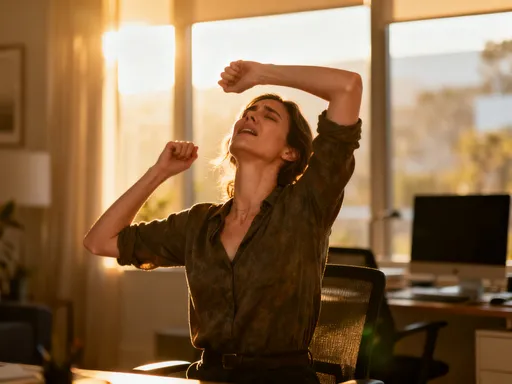
The mind-body connection is especially strong in women, who often juggle multiple roles—caregiver, professional, partner, friend—without prioritizing their own well-being. Emotional labor, societal expectations, and the pressure to “do it all” can amplify stress silently. The body responds by tensing muscles, particularly in the neck, shoulders, and jaw, leading to chronic pain or frequent tension headaches. Breathing becomes shallow, reducing oxygen flow to the brain and further heightening anxiety. Recognizing these signs is the first step toward change. Chronic stress isn’t a personal failing; it’s a signal that the nervous system needs support. Addressing it isn’t indulgent—it’s essential for long-term health and emotional balance.
Managing chronic stress isn’t about eliminating pressure from life—because that’s impossible. It’s about building tools to respond differently. Without intervention, chronic stress increases the risk of heart disease, hypertension, and mood disorders. But the good news is that the body is remarkably adaptable. With the right strategies, it’s possible to lower cortisol, restore calm, and improve both mental clarity and physical vitality. Movement, as it turns out, is one of the most accessible and effective ways to reset the stress response—without medication or major lifestyle overhauls.
Why Exercise Works Better Than You Think
Most people think of exercise as a way to lose weight or build strength, but its impact on mental health is just as profound—sometimes even more so. When you move your body, you trigger a cascade of biological changes that directly counteract the effects of stress. Physical activity reduces cortisol levels while simultaneously increasing the production of endorphins, the brain’s natural mood elevators. These chemicals don’t just make you feel good—they help regulate emotions, reduce pain sensitivity, and promote a sense of well-being. Unlike temporary fixes like scrolling through social media or reaching for comfort food, the benefits of movement last longer and build over time.
Exercise also plays a key role in balancing the autonomic nervous system, which controls the body’s stress response. When stress takes over, the sympathetic nervous system—responsible for the “fight-or-flight” reaction—becomes overactive. Movement, especially rhythmic and repetitive types like walking or swimming, helps activate the parasympathetic nervous system, which is responsible for “rest and digest” functions. This shift allows the body to recover, slow the heart rate, deepen breathing, and restore equilibrium. Think of it as a reset button for the brain: each time you move with intention, you’re signaling to your nervous system that it’s safe to relax.
Another reason exercise is so effective is that it breaks the cycle of rumination—the repetitive, negative thought patterns that often accompany stress. When the mind is stuck on a loop of worry, physical activity provides a distraction that’s both gentle and engaging. Focusing on the rhythm of your steps, the stretch of your muscles, or the sensation of your breath redirects attention away from anxious thoughts. Over time, this mental shift strengthens neural pathways associated with calm and focus. Studies have shown that even moderate exercise can improve symptoms of anxiety and depression, making it a valuable tool for emotional regulation.
What makes movement particularly powerful is that it doesn’t require intensity to be effective. A brisk walk around the neighborhood, a few minutes of stretching in the living room, or dancing to a favorite song can all produce measurable changes in mood and stress levels. Unlike high-effort solutions that feel daunting, low-impact movement is accessible to nearly everyone, regardless of fitness level. And because it’s something you do for yourself—without an audience or performance pressure—it becomes a form of self-care rather than another obligation. When practiced consistently, exercise transforms from a chore into a trusted ally in the journey toward greater peace.
My Turning Point: From Overwhelm to Action
The moment I realized I needed to change wasn’t dramatic. There was no medical emergency or crisis—just a slow accumulation of exhaustion. I was waking up tired, snapping at my children over small things, and lying awake at night replaying the day’s to-do list. I felt like I was running on empty, yet I kept pushing forward, believing that rest was a luxury I couldn’t afford. Therapy helped me understand my patterns, and meditation sounded nice, but I wasn’t ready to sit still with my thoughts. What I needed was action—something physical that would help me feel more in control.
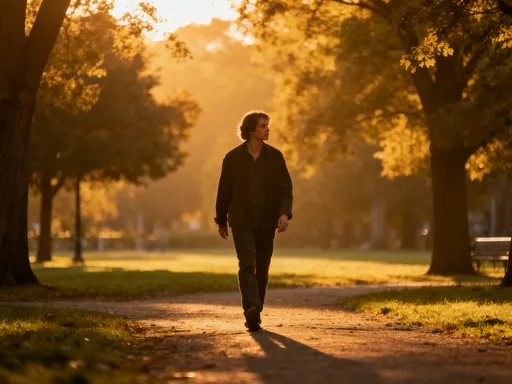
My first step was simple: I started taking 10-minute walks after dinner. No rules, no tracking, no expectations. Just putting on my shoes and stepping outside. At first, I didn’t notice much. But after a few days, I began to feel a subtle shift. My mind felt quieter. I wasn’t solving my problems, but I wasn’t obsessing over them either. The rhythm of walking created a mental space where thoughts could pass through without sticking. I started looking forward to those short breaks, not as exercise, but as moments of freedom.
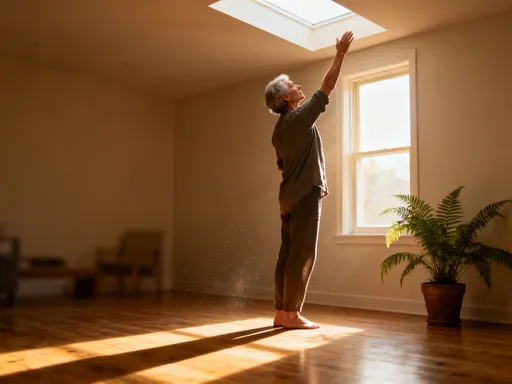
Encouraged by this small win, I added gentle stretching in the morning. I followed a short online video that guided me through slow, deliberate movements. I didn’t care about flexibility or form—I focused on how my body felt. The tightness in my shoulders began to ease. My breathing deepened. And for the first time in months, I woke up without that familiar knot of tension in my chest. These weren’t grand transformations, but they were real. I slept better. I felt slightly calmer. I could focus more during the day. Most importantly, I began to believe that change was possible—even without drastic measures.
What surprised me most was how movement improved my emotional resilience. I still had stressful days, but I wasn’t as reactive. I could pause before responding, take a breath, and choose how to act. This wasn’t because I had more time or fewer responsibilities—it was because my nervous system was finally getting the support it needed. I didn’t need to go to the gym or follow a strict routine. I just needed to move, consistently and gently. That realization became the foundation of a new way of living—one where self-care wasn’t an afterthought, but a daily practice.
Building a No-Pressure Exercise Routine
One of the biggest misconceptions about stress-reducing movement is that it has to be structured or intense. The truth is, the most effective routines are often the simplest and most flexible. A no-pressure approach focuses on consistency, not performance. It’s about listening to your body and honoring your energy levels each day. This kind of movement isn’t about burning calories or achieving a certain look—it’s about restoring balance and creating moments of calm. The goal isn’t perfection; it’s presence.
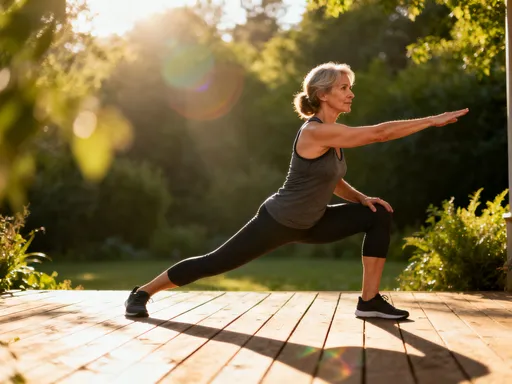
A sample weekly plan might include three short walks, two gentle yoga sessions, and one spontaneous dance break. Each activity lasts 10 to 20 minutes, making it easy to fit into a busy schedule. The walks can be around the block, through a park, or even indoors at a mall on rainy days. The yoga doesn’t require a mat or fancy clothes—just a quiet corner and a few minutes to stretch. The dance break? That’s whenever you need it—put on a favorite song and move however feels good. There’s no right or wrong way. The key is to keep it enjoyable and sustainable.
Integrating movement into daily life doesn’t require extra time—just small adjustments. Try taking walking calls instead of sitting at your desk. Do gentle stretches while waiting for dinner to cook. Park farther away from store entrances. Stand up and sway side to side during TV commercials. These micro-movements add up, especially when done regularly. They also help break the cycle of sedentary behavior, which can worsen stress and fatigue. By weaving movement into existing routines, it becomes a natural part of the day rather than another task on the to-do list.
Flexibility is essential. Missing a day doesn’t mean failure—it means you’re human. The goal is progress, not perfection. Some days, you might feel energized and walk for 30 minutes. Other days, you might only manage five minutes of stretching before bed. Both count. What matters is the commitment to showing up, even in small ways. Over time, this builds a habit that supports long-term well-being. A no-pressure routine isn’t about pushing harder—it’s about being kinder to yourself while still taking care of your health.
Types of Movement That Actually Reduce Stress
Not all exercise is created equal when it comes to stress relief. High-intensity workouts, while beneficial for fitness, can sometimes add physical strain—especially if you’re already emotionally drained. The most effective stress-reducing activities are low-impact, rhythmic, and mindful. Walking is one of the simplest and most powerful options. It requires no equipment, can be done almost anywhere, and has been shown to lower cortisol and improve mood. The steady rhythm of footsteps, combined with fresh air and natural scenery, creates a meditative effect that calms the mind.
Tai chi and qigong are ancient practices that combine slow, flowing movements with deep breathing and mental focus. These disciplines are especially effective for women seeking gentle ways to manage stress. They improve balance, coordination, and body awareness while promoting relaxation. Research has found that regular tai chi practice can reduce anxiety, improve sleep quality, and enhance emotional well-being. The movements are easy to learn and can be adapted for all fitness levels, making them accessible even for beginners.
Swimming is another excellent option. The buoyancy of water reduces joint impact, making it ideal for those with physical limitations. The repetitive motion of strokes, combined with controlled breathing, creates a soothing, almost meditative experience. Being in water has a naturally calming effect on the nervous system, helping to quiet mental chatter and release muscle tension. Even a short swim or water walk can leave you feeling refreshed and centered.
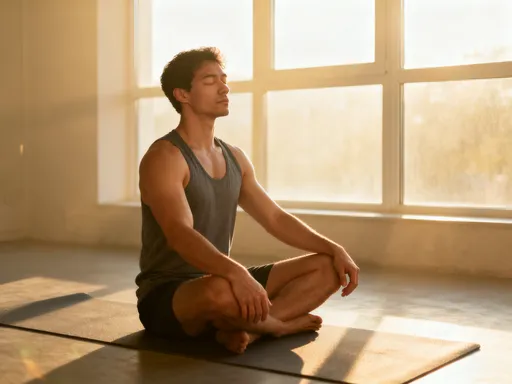
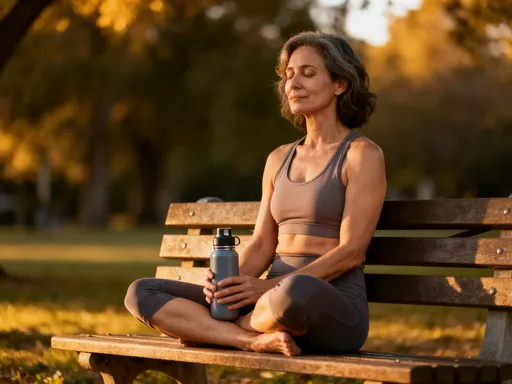
Gentle yoga, particularly restorative or yin styles, emphasizes relaxation over exertion. Poses are held for several minutes, allowing the body to sink into deep stretches. This activates the parasympathetic nervous system, slowing the heart rate and promoting a sense of safety. Pairing yoga with soft music or nature sounds enhances its calming effect. Unlike more vigorous forms, gentle yoga doesn’t require strength or flexibility—just willingness to slow down and listen to your body. When practiced regularly, these low-impact activities don’t just reduce stress—they build resilience, helping you respond to life’s challenges with greater calm and clarity.
Mindful Movement: Bridging Body and Mind
Mindful movement is the practice of bringing full attention to the physical experience of exercise. It’s not about how many steps you take or how long you stretch—it’s about how present you are while doing it. When you move with awareness, you create a bridge between body and mind, allowing each to support the other. This kind of movement interrupts the cycle of automatic thoughts and brings you into the present moment. Instead of worrying about the future or ruminating on the past, you focus on the sensation of your feet touching the ground, the rhythm of your breath, or the stretch in your shoulders.
One simple technique is the body scan during a walk. As you move, shift your attention slowly from your feet up through your legs, torso, arms, and head. Notice areas of tension without trying to change them—just observe. This practice increases body awareness and helps you recognize where stress is stored. Over time, you become more attuned to early warning signs—like clenched jaws or shallow breathing—and can respond before tension builds. Mindful movement also enhances the emotional benefits of exercise by fostering a sense of connection and self-compassion.
Another effective method is counting breaths during stretching. As you hold a gentle pose, inhale slowly through the nose, exhale through the mouth, and count each breath cycle. This rhythmic breathing activates the vagus nerve, a key component of the parasympathetic nervous system. It signals the body to relax, reducing heart rate and lowering blood pressure. The combination of movement and breath creates a powerful synergy that calms both mind and body. Even a few minutes of this practice can shift your state from anxious to centered.
Practicing mindful movement regularly builds long-term emotional resilience. It trains the brain to return to the present, reducing the power of negative thought patterns. It also strengthens the habit of self-awareness, making it easier to recognize when you need a break or a moment of stillness. Over time, this awareness becomes second nature, allowing you to respond to stress with greater clarity and calm. Mindful movement isn’t a quick fix—it’s a lifelong skill that supports mental, emotional, and physical well-being.
Sustaining the Habit and Managing Setbacks
Like any new habit, movement for stress relief can face obstacles. Time is often the biggest challenge—especially for women managing households, careers, and family needs. But even 10 minutes a day can make a difference. The key is to attach movement to existing routines, a strategy known as habit stacking. For example, stretch while your coffee brews, take a walk after dinner, or do seated twists while watching the evening news. These small pairings make it easier to stay consistent without adding extra time to your day.
Motivation naturally fluctuates. Some days, you’ll feel eager to move. Other days, you might lack energy or interest. That’s normal. Instead of judging yourself, treat each day as data. If you skip a session, ask yourself why—were you tired? Overwhelmed? Busy? Use that information to adjust, not abandon, your plan. Maybe you need shorter sessions, different times of day, or a change in activity. Flexibility ensures sustainability. The goal isn’t to never miss a day—it’s to keep returning, without guilt or self-criticism.
Weather, illness, or unexpected events can also disrupt routines. On rainy days, try indoor alternatives like online stretching videos, dancing in the living room, or walking up and down stairs. If you’re feeling unwell, even gentle breathwork or seated movements can maintain the connection between body and mind. The important thing is to honor your limits while still doing something. Over time, this builds self-trust—the belief that you can care for yourself, even in small ways.
Tracking progress helps reinforce motivation. But instead of focusing on physical changes, pay attention to non-scale wins: better sleep, reduced anxiety, improved focus, or a calmer response to stress. Keep a simple journal or mental note of these shifts. Celebrate them. They are evidence that your efforts are working. Remember, this isn’t about achieving perfection—it’s about building a sustainable practice that supports your well-being for years to come.
Exercise isn’t just for bodies—it’s a powerful tool for calming the mind. You don’t need a gym membership or perfect discipline. Small, consistent movements add up to big changes in how you feel every day. Think of it as a life skill, not a chore. When you move with purpose and care, you’re not just managing stress—you’re reclaiming your peace. Always consult a healthcare provider before starting new routines, especially with existing conditions. Your journey to calm starts with one step.