Why I Started Caring About Aging—And You Should Too
Aging isn’t just about wrinkles or gray hair—it’s happening at a cellular level, often long before we notice. I used to ignore it, until small changes in my energy and skin made me pay attention. That’s when I realized: aging is less about time and more about daily choices. With a little awareness and consistent habits, we can influence how we age. This is not about stopping time, but about staying strong, clear, and vibrant for longer.
The Wake-Up Call: When I First Noticed Aging
It wasn’t a dramatic diagnosis or a sudden illness that changed my perspective. It was something quieter—a growing sense of fatigue that no amount of coffee could fix. I’d go to bed early, only to wake up feeling unrefreshed. My skin, once resilient and glowing, began to feel dry and lose its elasticity. Stairs that used to be effortless now left me slightly winded. These weren’t alarming symptoms, not in a medical sense, but they were persistent. They signaled that something was shifting beneath the surface, and I could no longer pretend it wasn’t happening.
Like many women in their 40s and beyond, I had spent years prioritizing everyone else—my children, my home, my job—while quietly pushing my own needs aside. I believed that if I wasn’t sick, I was healthy. But aging doesn’t always announce itself with a crisis. More often, it creeps in through subtle changes: slower recovery after physical activity, difficulty concentrating, a sense of mental fog that lingers into the afternoon. These signs are easy to dismiss as 'just part of getting older,' but they are actually early indicators of how our bodies are responding to the cumulative effects of lifestyle, stress, and time.
The turning point came when I realized I was reacting to aging instead of preparing for it. I had accepted fatigue as normal, but it wasn’t inevitable. I began to see that health isn’t the absence of disease—it’s the presence of energy, clarity, and resilience. This shift in thinking marked the beginning of a more intentional approach to my well-being. I stopped waiting for something to go wrong and started asking: What can I do today to feel better tomorrow?
Aging Is Not Just Time—It’s Biology
Chronological age—the number of birthdays we’ve celebrated—is only part of the story. What truly matters is our biological age, which reflects how well our cells, organs, and systems are functioning. Two women the same age can have vastly different biological ages based on their lifestyle, environment, and daily habits. One may feel energetic, sharp, and strong, while the other struggles with fatigue, joint discomfort, and low mood. The difference isn’t luck; it’s largely within our control.
At the cellular level, aging is influenced by several key processes. Telomeres, the protective caps at the ends of our chromosomes, naturally shorten as we divide and grow older. When they become too short, cells can no longer divide properly, leading to cellular aging and dysfunction. Oxidative stress—caused by an imbalance between free radicals and antioxidants in the body—damages cells over time, contributing to visible signs of aging and chronic inflammation. Chronic, low-grade inflammation itself is now recognized as a major driver of age-related decline, linked to everything from joint stiffness to cognitive changes.
The good news is that these processes are not fixed. Research shows that lifestyle choices can slow down, and in some cases even reverse, aspects of biological aging. For example, studies have found that people who engage in regular physical activity, eat a nutrient-dense diet, manage stress, and sleep well tend to have longer telomeres and lower levels of inflammatory markers. This means that aging is not a one-way street. By making consistent, small choices—like choosing whole foods over processed ones or taking a daily walk—we can influence how our bodies age from the inside out.
The Mindset Shift: From Reactive to Proactive Health
Most people approach health reactively. They wait until they feel unwell, receive a diagnosis, or notice a significant change before making changes. But by then, the body has often been under strain for years. A proactive approach, on the other hand, focuses on prevention—on building resilience before problems arise. This shift in mindset is especially important for women in midlife and beyond, when hormonal changes and metabolic shifts make the body more vulnerable to the effects of poor habits.
Being proactive means paying attention to the signals your body sends, even when they’re subtle. It means understanding that how you feel today is shaped by what you did yesterday—and what you do today will shape how you feel in the months and years ahead. It’s about recognizing that health is not a destination but a continuous process. The power lies in consistency, not intensity. You don’t need to run marathons or follow extreme diets. What matters is showing up for yourself every day with small, sustainable choices.
One of the most empowering realizations I’ve had is that I don’t have to be perfect. I don’t have to eat perfectly, exercise for hours, or eliminate all stress. What I do need is awareness and intention. When I choose a piece of fruit over a sugary snack, when I take five minutes to breathe deeply instead of scrolling on my phone, when I go to bed 30 minutes earlier—I’m making a deposit in my long-term health. These choices may seem insignificant in the moment, but over time, they compound into meaningful change. Proactive health is not about fear or denial of aging; it’s about respect for the body and a commitment to living well.
My Daily Non-Negotiables: Simple Habits That Make a Difference
In the past, I used to think that healthy living required drastic overhauls—rigid meal plans, intense workouts, or expensive supplements. What I’ve learned is that the most effective habits are the ones I can sustain. They’re not flashy, but they’re foundational. The three non-negotiables I’ve built into my daily routine are quality sleep, consistent movement, and mindful eating. These are not trends or quick fixes—they are pillars of long-term vitality.
Sleep is at the top of my list. I’ve come to see it not as downtime, but as essential recovery time for the body and brain. During deep sleep, the body repairs tissues, balances hormones, and clears out metabolic waste from the brain. Poor sleep, on the other hand, is linked to increased inflammation, weight gain, and cognitive decline. To support better sleep, I’ve created a wind-down routine: dimming the lights an hour before bed, avoiding screens, and drinking a calming herbal tea. I also keep my bedroom cool and dark, which helps regulate my circadian rhythm. The result? I wake up feeling more refreshed, my skin looks clearer, and my mood is more stable.
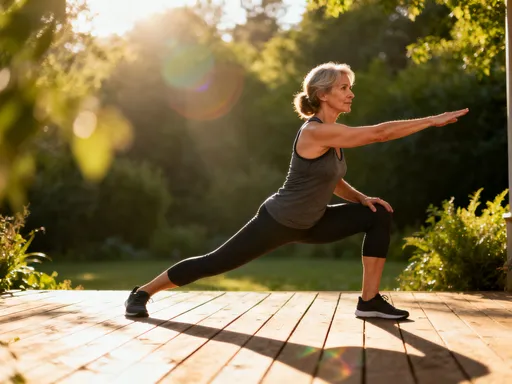
Movement is my second non-negotiable. I don’t follow a strict fitness regimen, but I make sure to stay active every day. This might mean a 30-minute walk in the morning, gentle stretching in the evening, or light strength training two or three times a week. The goal isn’t to burn calories—it’s to keep my muscles strong, my joints mobile, and my circulation flowing. Strength training, in particular, has made a noticeable difference. As we age, we naturally lose muscle mass—a process called sarcopenia—but regular resistance exercises can slow this down significantly. Even simple bodyweight exercises like squats or wall push-ups help maintain strength and balance, reducing the risk of falls and supporting independence as we grow older.
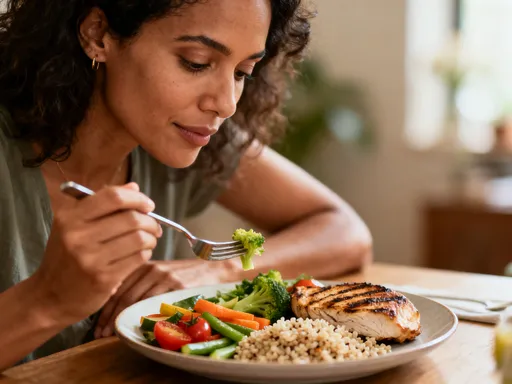
Finally, I’ve shifted my relationship with food. Instead of focusing on restriction, I focus on nourishment. I aim to eat whole, unprocessed foods—vegetables, fruits, lean proteins, healthy fats, and whole grains. I drink plenty of water throughout the day, which helps with digestion, skin hydration, and energy levels. I’ve also become more mindful of emotional eating. Instead of reaching for snacks when I’m stressed or tired, I pause and ask myself: Am I truly hungry? Often, the answer is no. By tuning into my body’s real needs, I’ve found that I eat less, enjoy my food more, and feel better afterward.
What I Stopped Doing That Helped Me Age Better
Just as important as the habits I’ve added are the ones I’ve let go of. Some of these changes were difficult at first, but they’ve had a profound impact on how I feel. The first was cutting back on late nights. I used to stay up late, catching up on chores or watching TV, thinking I was being productive. But I’ve learned that sleep lost at night can’t be fully recovered, and chronic sleep deprivation accelerates aging. Now, I prioritize an earlier bedtime, even if it means leaving a few things undone. The trade-off—more energy, better focus, and improved mood—is worth it.
I’ve also reduced my screen time, especially in the evening. The blue light emitted by phones, tablets, and computers interferes with melatonin production, the hormone that regulates sleep. By setting a digital curfew—turning off screens at least an hour before bed—I’ve noticed a significant improvement in my ability to fall asleep and stay asleep. I’ve replaced that time with reading, journaling, or quiet conversation, which not only supports better sleep but also helps me unwind mentally.
Another change was letting go of perfectionism. For years, I believed that unless I was doing something perfectly—whether it was exercising, eating, or managing my home—I was failing. This mindset led to burnout and frustration. Now, I focus on consistency over intensity. If I miss a workout, I don’t punish myself. If I eat something indulgent, I don’t guilt-trip myself. I’ve learned that progress isn’t linear, and self-compassion is a critical part of sustainable health. This shift has reduced my stress levels and made healthy living feel more joyful and less like a chore.
Science-Backed Levers That Actually Work
While trends come and go, some health strategies are supported by decades of research. These are not miracle cures, but proven tools that support long-term well-being. One of the most important is adequate protein intake. As we age, our bodies become less efficient at using dietary protein to build and maintain muscle. This is why older adults need more protein than they did in their younger years—typically around 1.0 to 1.2 grams per kilogram of body weight per day. Including a source of protein with every meal—such as eggs, Greek yogurt, fish, beans, or lean meat—helps preserve muscle mass, supports metabolism, and promotes satiety.
Vitamin D is another critical factor. Many women, especially those with limited sun exposure or living in northern latitudes, have low levels of vitamin D. This nutrient plays a vital role in immune function, bone health, and mood regulation. Low levels are linked to increased fatigue, weakened immunity, and seasonal mood changes. While it’s difficult to get enough vitamin D from food alone, moderate sun exposure—about 15 to 20 minutes a few times a week—can help the body produce it naturally. In some cases, a healthcare provider may recommend a supplement, especially during the winter months.
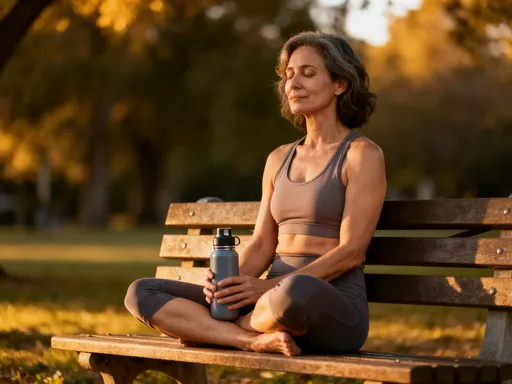
Finally, I’ve come to appreciate the power of breath. Deep, slow breathing activates the parasympathetic nervous system, which helps counteract the effects of chronic stress. Simple practices like diaphragmatic breathing, box breathing, or mindful pauses throughout the day can lower cortisol levels, reduce blood pressure, and improve mental clarity. I don’t need a meditation app or a quiet room—just a few conscious breaths while waiting in line or pausing between tasks. These moments of stillness are small but powerful tools for maintaining balance in a busy life.
Building a Life That Supports Longevity—Not Just Long Years, But Good Ones
True longevity isn’t just about adding years to life—it’s about adding life to years. It’s about maintaining the energy, strength, and mental sharpness to enjoy daily activities, stay connected with loved ones, and continue growing as a person. This kind of aging doesn’t happen by accident. It requires designing a life that supports well-being on every level—physical, mental, and emotional.
One of the most effective ways to do this is by aligning daily routines with the body’s natural rhythms. Our bodies function best when they follow a consistent schedule—waking up and going to bed at similar times, eating meals at regular intervals, and incorporating movement throughout the day. This consistency helps regulate hormones, improve sleep quality, and stabilize energy levels. It’s not about rigid discipline, but about creating a rhythm that feels natural and sustainable.
Mental engagement is equally important. Just as physical activity strengthens the body, mental activity strengthens the brain. Reading, learning new skills, solving puzzles, or engaging in creative hobbies all help maintain cognitive function. Social connection is another powerful protector against age-related decline. Studies show that strong social ties are linked to better mental health, lower stress levels, and even longer life expectancy. Whether it’s regular phone calls with a friend, weekly coffee dates, or volunteering in the community, staying socially active enriches life in meaningful ways.
Ultimately, I’ve come to see health as a practice—one that evolves over time. It’s not about achieving a perfect state, but about showing up consistently with care and intention. The choices I make today—what I eat, how I move, how I rest—are investments in the woman I want to become. And the most beautiful part? It’s never too late to start. Whether you’re in your 30s, 40s, 50s, or beyond, the next chapter of your health journey begins with a single, mindful choice.
Aging well isn’t about chasing youth—it’s about building resilience, clarity, and strength that last. The choices we make today shape how we feel tomorrow. By becoming more health-conscious now, we invest in a future that’s not just longer, but richer in energy, purpose, and well-being. It’s never too early—or too late—to start.