Salt Shock: What My Body Changed When I Cut Back
Living with high blood pressure crept up on me quietly—until a routine check revealed the truth. I never thought salt could be silently harming me. After learning how much sodium I was consuming, I decided to reassess my diet. What followed wasn’t a strict regimen, but a series of real, manageable changes. This is the story of how lowering my salt intake transformed how I feel every day—and why your body might be craving this shift too.
The Wake-Up Call: Recognizing the Hidden Dangers of Salt
A routine visit to the doctor changed everything. At 47, I considered myself reasonably healthy—eating salads, walking regularly, and avoiding junk food. Yet, when the nurse read my blood pressure as 148 over 92, my doctor didn’t hesitate. “You’re in the high range,” she said calmly. “Have you looked at your salt intake?” That moment was a shock. I didn’t eat chips or canned soups every day. How could I be consuming too much sodium? The answer, I soon learned, wasn’t in the obvious snacks but in the everyday foods I trusted—bread, breakfast cereal, frozen meals, even yogurt with flavorings. The American Heart Association recommends no more than 2,300 milligrams of sodium per day, ideally moving toward an ideal limit of 1,500 mg for most adults, especially those with elevated blood pressure. Yet, the average American consumes over 3,400 mg daily, often without realizing it. The danger lies in its invisibility. Salt doesn’t always taste salty, and it hides in places we don’t expect. This silent overload can go unnoticed for years, quietly damaging blood vessels and increasing the risk of heart disease and stroke. My diagnosis wasn’t an anomaly—it was a warning sign shared by nearly half of all adults in the United States. The good news? One of the most powerful steps toward better heart health is also one of the most accessible: reducing sodium in your daily diet.
Why Salt Matters: The Science Behind Sodium and Your Body
Sodium is not inherently harmful. In fact, it plays a vital role in how our bodies function. It helps regulate fluid balance, supports nerve transmission, and enables muscle contractions, including the steady rhythm of the heart. But like many things in life, balance is key. When sodium levels rise beyond what the body needs, a chain reaction begins. The kidneys, which filter excess sodium from the bloodstream, can become overwhelmed. When they can’t keep up, the body retains water to dilute the surplus sodium. This increase in fluid volume raises pressure within the blood vessels—what we measure as blood pressure. Over time, consistently high pressure damages the delicate lining of arteries, making them stiffer and more prone to plaque buildup. This process, known as atherosclerosis, increases the risk of heart attack and stroke. The heart, forced to pump against higher resistance, may gradually weaken. Studies consistently show a direct link between high sodium intake and elevated blood pressure, especially in individuals who are “salt-sensitive”—a trait more common among older adults, African Americans, and those with existing hypertension. The body does not require large amounts of sodium to function properly. Most natural, unprocessed foods contain enough to meet daily needs. The problem arises when processed and prepared foods add extra sodium for flavor, preservation, and texture. Understanding this biological response helps explain why reducing salt isn’t just about taste—it’s about protecting the very systems that keep us alive. When you cut back, you give your kidneys a chance to catch up, your blood vessels a chance to relax, and your heart a chance to work more efficiently.
The Low-Salt Reality Check: What a 7-Day Diet Audit Revealed
Determined to understand my habits, I began a seven-day food journal, recording everything I ate and drank. I also started reading nutrition labels carefully, something I had previously skimmed over. The results were eye-opening. On day one, my seemingly healthy breakfast of whole grain toast with butter and a bowl of oatmeal with dried fruit added up to nearly 800 mg of sodium—before coffee. I hadn’t realized that even unsweetened instant oatmeal often contains added sodium. The bread alone contributed over 300 mg per slice. By lunch, a turkey sandwich on whole wheat with mustard and a side of vegetable soup pushed me past 1,500 mg. The canned soup, labeled “low-fat” and “heart-healthy,” contained 890 mg in a single serving. Dinner, a frozen grilled chicken meal with rice and vegetables, added another 900 mg. I was already over 3,000 mg for the day—more than double the ideal recommendation. Throughout the week, similar patterns emerged. Condiments like soy sauce, ketchup, and salad dressings were major contributors. A single tablespoon of soy sauce can contain more than 900 mg of sodium. Even snacks like pretzels and cheese crackers, marketed as convenient and wholesome, packed hundreds of milligrams per serving. Restaurant meals, when I ate out, were even worse—some entrees exceeded 2,000 mg in one dish. This audit wasn’t about guilt; it was about awareness. It revealed how easily sodium accumulates across meals, often disguised as healthy choices. The biggest takeaway was that “low-fat” or “whole grain” doesn’t mean low-sodium. Learning to decode labels became essential. I began paying attention to serving sizes, checking for “no salt added” versions, and comparing brands. Over time, I developed what I now call “sodium mindfulness”—a habit of pausing before eating to consider not just calories or sugar, but salt content as well. This shift in awareness was the foundation of real change.
Flavor Without the Salt: Simple Swaps That Actually Work
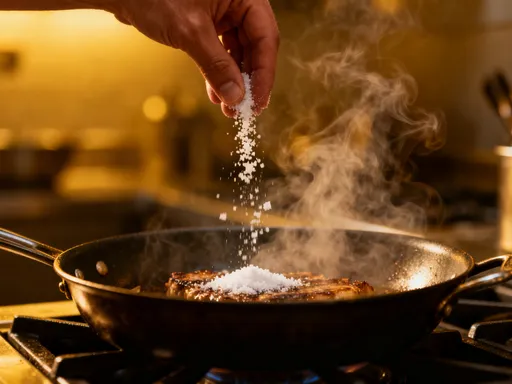
One of my biggest fears when cutting back on salt was that food would taste bland and unsatisfying. I worried meals would become a chore rather than a pleasure. What I discovered, however, was quite the opposite. By exploring alternative seasonings, I actually expanded my palate and began enjoying food more. The key was understanding that flavor comes from more than just salt. Herbs and spices—such as garlic, basil, oregano, thyme, cumin, and paprika—can add depth and complexity to dishes without increasing sodium. Fresh ingredients like lemon juice, lime zest, vinegar, and even a splash of orange juice bring brightness and tang that awaken the taste buds. Roasting vegetables enhances their natural sweetness, making them satisfying without added salt. Umami-rich foods—like mushrooms, tomatoes, onions, and nutritional yeast—provide a savory quality that mimics the mouthfeel of saltiness. For example, sautéing mushrooms with garlic and thyme creates a rich, satisfying topping for salads or grains. I began making my own spice blends at home—mixing garlic powder, onion powder, black pepper, and dried herbs—to use on chicken, fish, or roasted vegetables. These blends, stored in small jars, became my go-to for quick, flavorful meals. I also discovered the power of toasting spices before use, which deepens their aroma and impact. Over time, my taste buds adapted. After about three weeks, foods I once thought were perfectly seasoned began to taste too salty. A restaurant meal that used to seem delicious now tasted overwhelming. This shift proved that our preferences are not fixed—they can change with consistent exposure. Eating with less salt didn’t mean sacrifice; it meant rediscovering the true taste of food. The goal wasn’t to eliminate enjoyment but to enhance it through more natural, wholesome means.
Cooking at Home: Taking Control One Meal at a Time
One of the most effective ways to reduce sodium is to take charge of your kitchen. According to the Centers for Disease Control and Prevention, about 70% of the sodium in the average American diet comes from processed and restaurant foods. When you cook at home, you control every ingredient that goes into your meals. This doesn’t mean you have to spend hours cooking every night. Simple strategies can make a big difference. I started by preparing meals in batches on weekends—cooking large portions of quinoa, brown rice, grilled chicken, or roasted vegetables to use throughout the week. This made weekday dinners faster and healthier. I began making my own salad dressings using olive oil, vinegar, mustard, and herbs instead of bottled versions, which often contain hidden sodium. Even a basic vinaigrette with lemon juice, Dijon mustard, and garlic tastes fresher and cleaner. I switched to no-salt-added canned beans and rinsed them thoroughly, reducing sodium by up to 40%. I chose fresh or frozen vegetables without sauces or seasoning blends. When I did use canned goods, I looked for “low-sodium” or “no salt added” labels. I also discovered the convenience of homemade soups. Instead of relying on canned versions, I made large pots of vegetable, lentil, or chicken soup using low-sodium broth or water with herbs and spices. These could be frozen in individual portions for quick, healthy meals. Cooking at home also allowed me to experiment with global flavors—using curry spices, Mediterranean herbs, or Latin American seasonings—that rely on complexity rather than salt for taste. Over time, I found that home-cooked meals not only lowered my sodium intake but also made me feel more connected to what I was eating. I wasn’t just feeding my body; I was nurturing it with intention and care.
Navigating Dining Out and Social Situations Without Stress
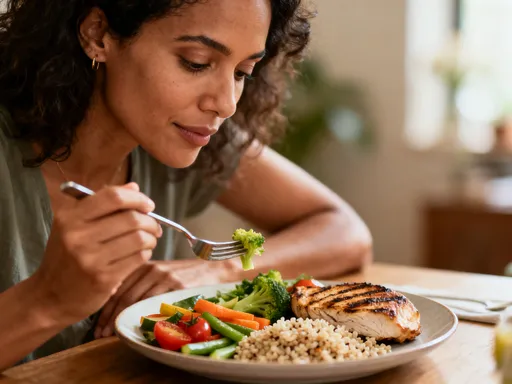
One of the biggest challenges in reducing sodium is maintaining progress when eating away from home. Whether it’s a family dinner, a work lunch, or a friend’s birthday celebration, restaurant meals and social gatherings often revolve around high-sodium foods. The good news is that it’s possible to enjoy these moments without derailing your health goals. The key is planning and communication. When dining out, I learned to review menus ahead of time, often online, to identify lower-sodium options. I began asking specific questions when ordering—such as whether dishes could be prepared without added salt, if sauces could be served on the side, or if grilled options were available instead of fried. Most restaurants are willing to accommodate reasonable requests, especially when phrased politely. I also learned to avoid obvious sodium traps—like soups, pizzas, sandwiches, and anything described as “crispy,” “glazed,” or “creamy.” Instead, I chose grilled proteins, steamed vegetables, and plain grains like rice or quinoa. When it came to condiments, I used them sparingly or skipped them altogether. At social events, I found that bringing a dish to share was a helpful strategy. Whether it was a fresh vegetable platter with hummus, a quinoa salad with herbs and lemon, or roasted sweet potatoes with cinnamon, contributing a low-sodium option ensured there was at least one healthy choice available. I also reminded myself that I didn’t have to explain or justify my choices. Eating well is a personal decision, and most people respect boundaries when they’re set with confidence. Over time, I realized that protecting my health didn’t mean missing out—it meant participating in a way that honored both my body and my relationships.
Long-Term Gains: What Improved After 90 Days of Lower Sodium
After three months of consistently reducing my sodium intake, I returned to my doctor for a follow-up. The results were encouraging. My blood pressure had dropped to 128 over 82—a significant improvement. My doctor noted that this change reduced my risk of heart disease and stroke and praised the progress I had made through lifestyle changes alone. But the benefits went beyond the numbers. I noticed less bloating, especially in the mornings. My rings fit more comfortably, and my ankles didn’t swell after long days. I had more stable energy throughout the day, without the afternoon crashes I used to experience. I also slept better and felt more alert in the mornings. My taste preferences had shifted so much that I could now detect excess salt in restaurant food and even in some packaged products I used to enjoy. This wasn’t a short-term diet; it was a lasting change in how I approached food. I didn’t feel deprived. Instead, I felt empowered. I had learned to read labels, cook with flavor, and make informed choices without fear or guilt. My family began to notice the changes too. My husband, who had slightly elevated blood pressure, started asking for more herbs and less salt at dinner. My daughter began preferring the taste of fresh vegetables over salty snacks. What started as a personal health journey had quietly influenced our entire household. The transformation wasn’t about perfection—there were still occasional slips, like a salty soup at a friend’s house or a high-sodium meal while traveling. But the overall pattern had shifted. I now viewed low-sodium eating not as a restriction but as an act of self-respect. It was a way of saying yes to feeling better, living longer, and showing up fully in my life.
Conclusion: A Sustainable Shift, Not a Sacrifice
Reducing salt intake is one of the most impactful yet overlooked steps toward better health. It doesn’t require drastic measures or expensive supplements—just awareness, intention, and small, consistent choices. The journey isn’t about eliminating every grain of salt or never enjoying a restaurant meal again. It’s about making informed decisions, reading labels, cooking more at home, and retraining your palate to appreciate the natural flavors of food. The benefits extend far beyond blood pressure numbers. They include increased energy, reduced bloating, better sleep, and a deeper connection to what you eat. Most importantly, it’s a change that can be sustained over time because it’s rooted in enjoyment, not deprivation. As women in our 30s, 40s, and 50s, we often prioritize the needs of others—our children, our partners, our jobs. But taking care of ourselves isn’t selfish; it’s necessary. By paying attention to something as simple as sodium, we invest in our long-term well-being and set an example for those around us. This isn’t a temporary fix or a medical mandate—it’s a quiet revolution in how we nourish our bodies. And the best part? It starts with one meal, one ingredient, one choice at a time. Your body has been waiting to feel better. All it may need is a little less salt and a lot more care.